The Unreasonable Comeback of the Neighborhood Bookstore
Rents are up, attention is down, and the algorithm sells everything cheaper. So why are there more independent bookstores this year than any year since 2009?

By Theo Brandt, Culture Critic
July 23, 2026
6 min read
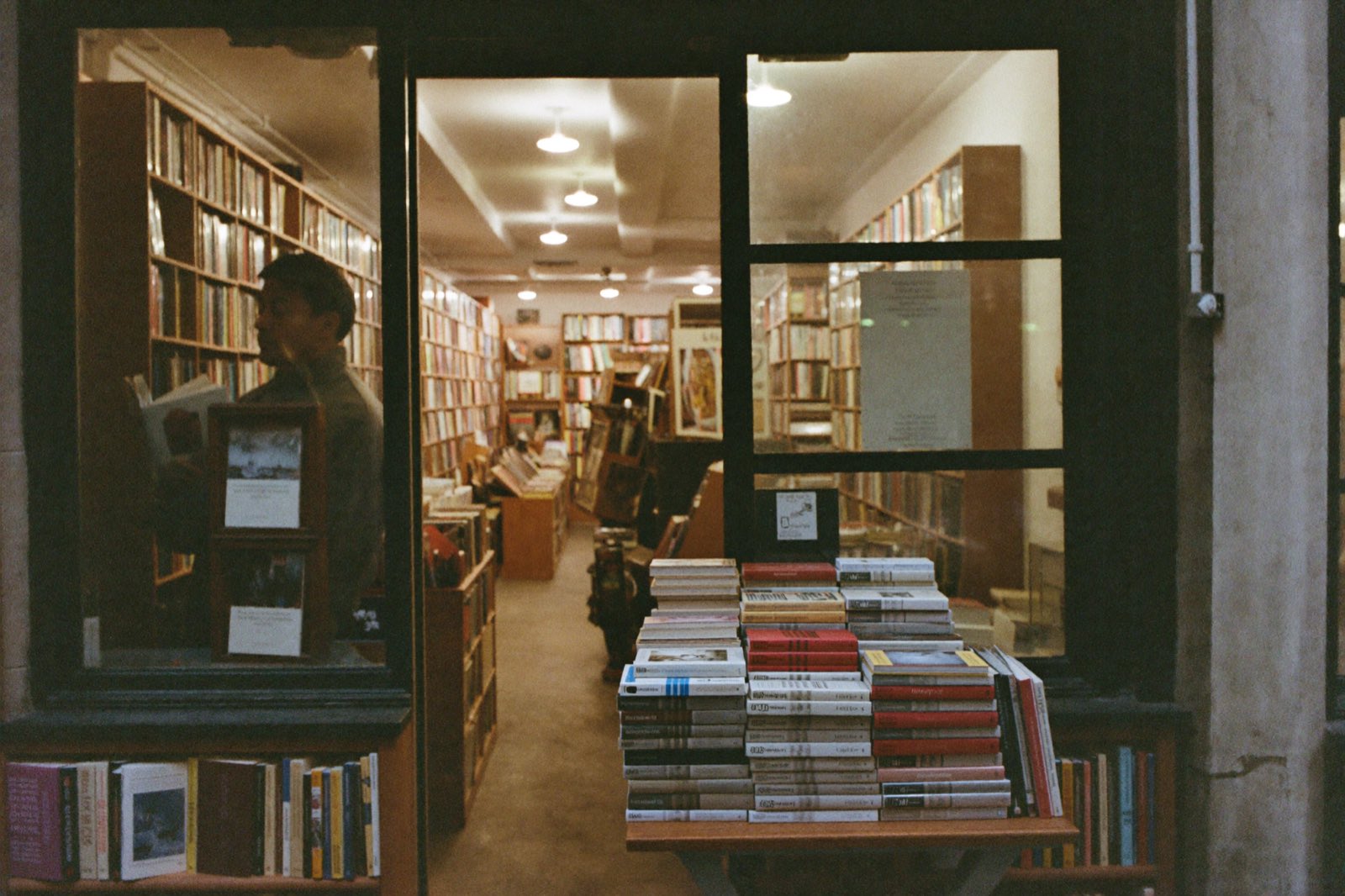
By every law of retail physics, the store should not exist. It is nine hundred square feet in a neighborhood where rent is quoted with a straight face. It stocks perhaps eight thousand titles against an internet that stocks all of them, for less, delivered before the store even opens. And yet on a wet Tuesday evening there is a line at the register, a book club arguing gently by the window, and a hand-lettered sign announcing that the shop is, once again, hiring.
It is not an outlier. The independent bookstore count has climbed for years now — openings outrunning closures in a market their obituary writers declared settled fifteen years ago. The interesting question is not whether it is happening. It is what, exactly, these stores are selling, because it clearly is not the cheapest possible book.
The economics of the third place
Ask the owners and they converge, unprompted, on the same answer: the store sells the room. A bookstore is one of the last commercial spaces you can enter with no intention and leave an hour later improved — unsurveilled, unhurried, and having spoken to a stranger about something other than logistics. The books are real, and the margins on them are famously thin. What people return for is a curated argument about what is worth reading, made by someone whose name they know.
The algorithm knows what you just bought. We know that you are going through a divorce and should probably not read the sad Norwegian one this month.
A bookseller of twenty-two years
The new stores are not nostalgic reproductions, either. They run lean and hybrid — events most nights, a subscription box, a till that is half café. Several owners described the same accounting: the books break even, the room makes the rent, and the staff's taste is the only inventory that matters.
Collateral repair
There is a broader theory available, if you want one. The store's best decade coincided exactly with the years the feed got worse — louder, more extractive, less fun. Nobody I interviewed believes people suddenly love paper. They believe people are renegotiating their attention, and the bookstore is where the negotiation is easiest to win: a room engineered, down to the lamplight, for the long form.
At closing time the owner walks the aisles, squaring the spines the way sailors coil rope — partly necessity, mostly ritual. The shop will never scale, she says, with evident satisfaction. That was never the assignment. The assignment is to still be here, nine hundred square feet at a time, when the neighborhood looks up from its phone.